
This game is still in development! Please enjoy the process and details below, and check back soon for more!
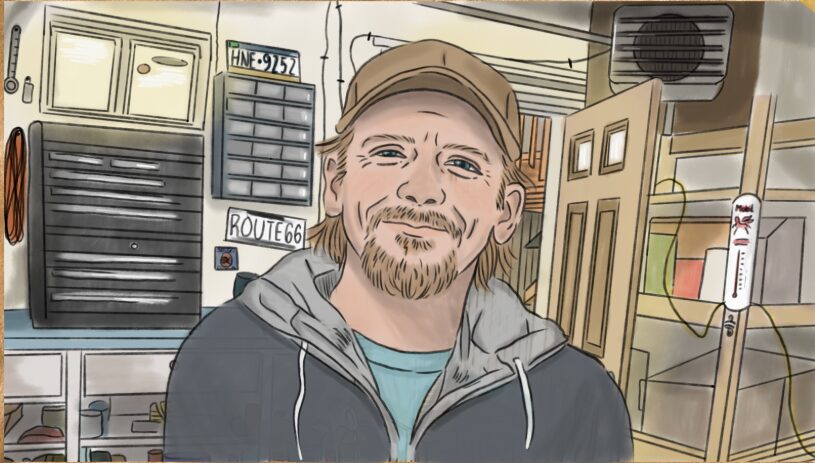
“What was, Without.” is a visual novel video game created using the software Ren’Py. This game is an autobiographical piece, written and illustrated using Procreate and Visual Code Studio.
The concept of the game follows my own story, beginning in 2010, 10 years before my father’s passing on April 8th, 2020. It reflects childhood wonder, family connections, and the roles we play within the household, as well as hints of players’ agency through multiple-choice. The game then reflects on life on the day of, moved to the year 2020. During this period, life will appear darker, and the dynamic between family members has changed significantly. The biggest concerns at the time were the COVID-19 pandemic and my two months left before graduation.
Players will slowly get connected to the family members of my household, learn about our hobbies, traits, and relationships, and see how life goes from worries of what toys to play with, to concerns for the future and college. In time, all of those worries and thoughts will fade, as any choices made in the game all lead to the same ending, my father’s passing after a horrific ATV accident.
With multiple-choice options at the beginning of the game, players will gain a sense of agency quickly, but as the game continues, and players understand how the story plays out, all the choices lead to the same final factor of my father’s passing. Though this concept may feel alarming and upsetting, to best understand grief, players must see that no matter what happens, loss is inevitable.
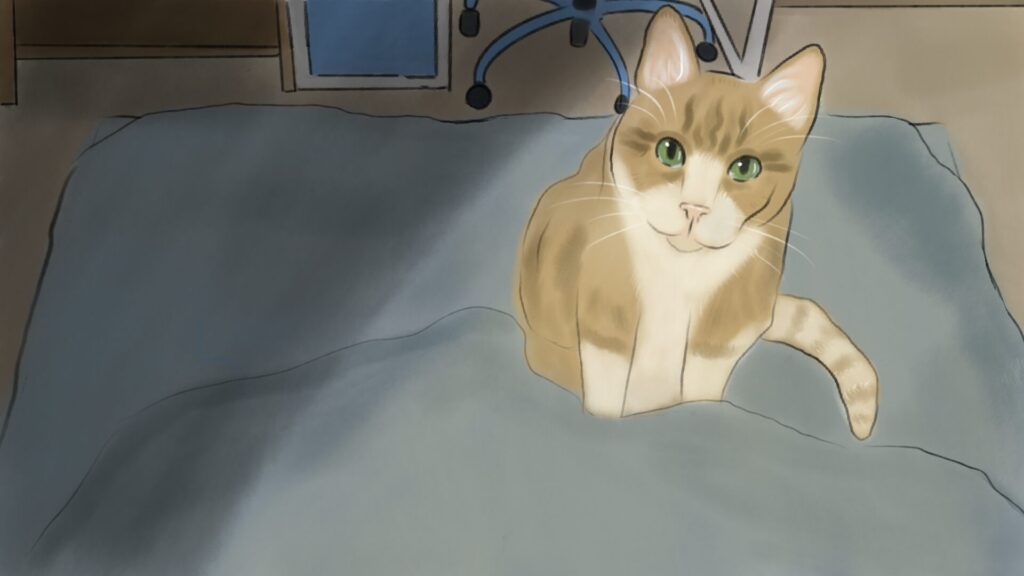
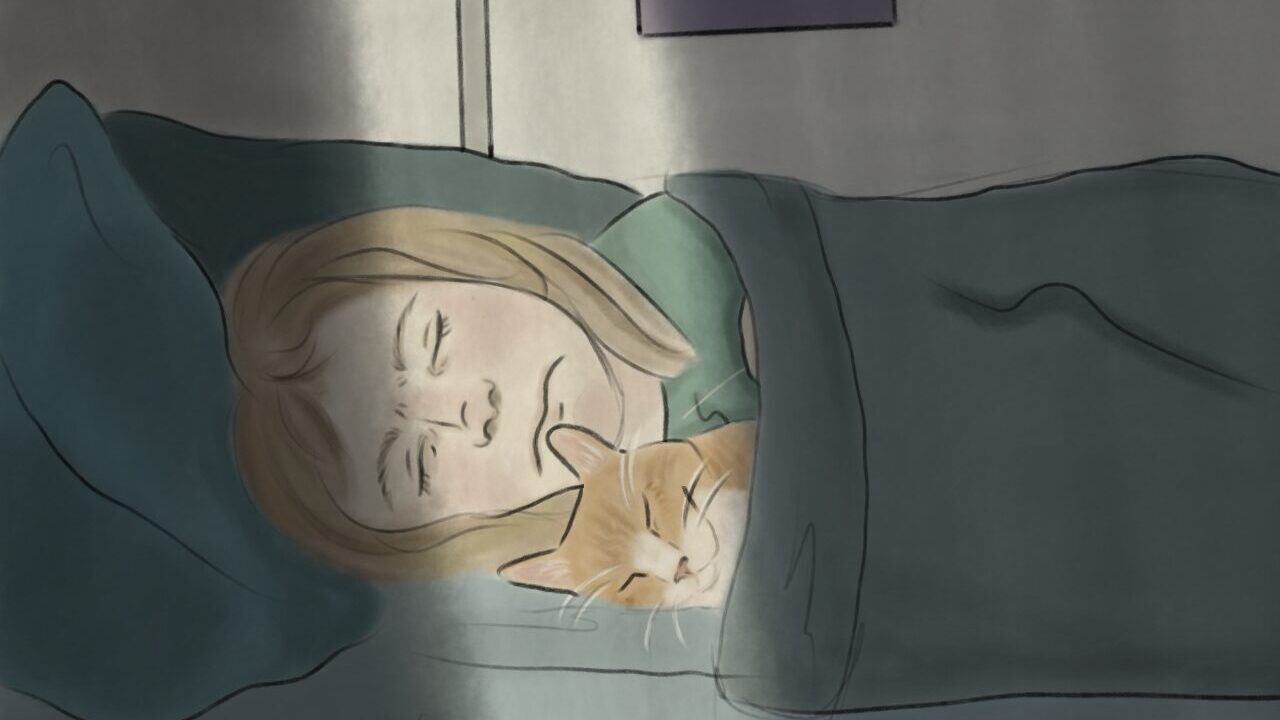
This game has been in development for a little over a year, with it starting as a concept for my storyboarding class. It was initially meant to be created in Unity and have an isometric style where players could freely move around and get to know my story by interacting with objects from my childhood, slowly feeling nostalgia, while learning what happened in my childhood over time.
Over the course of the development of “What was, Without.” I had decided on the Ren’Py engine because of its usability and vast support network. I had also finished my introduction to Python course around the same time as development started, so with it fresh on my brain, I was able to completely code a demo within one semester. Currently, I am working on the artwork, character design, and further improving the story.
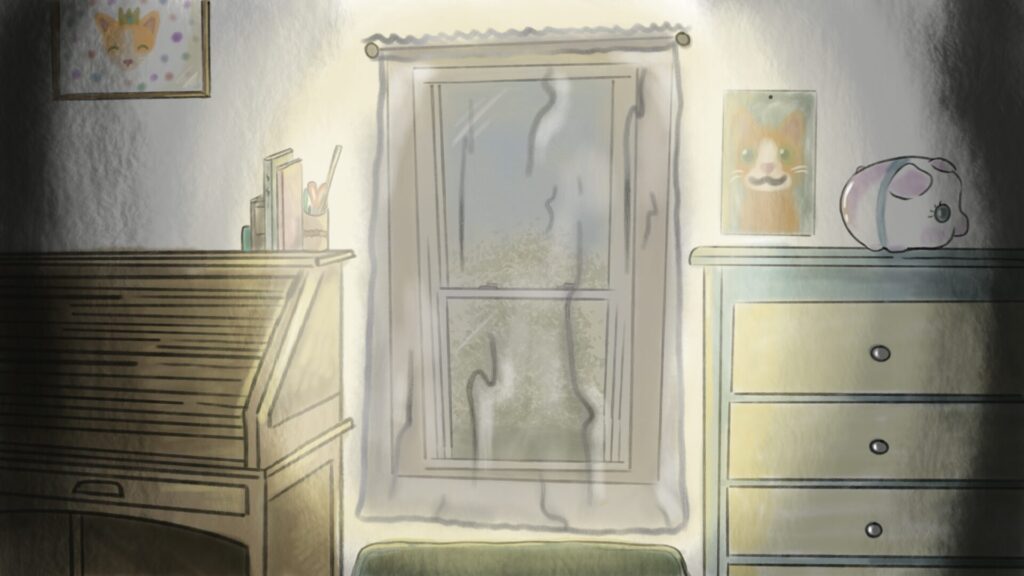
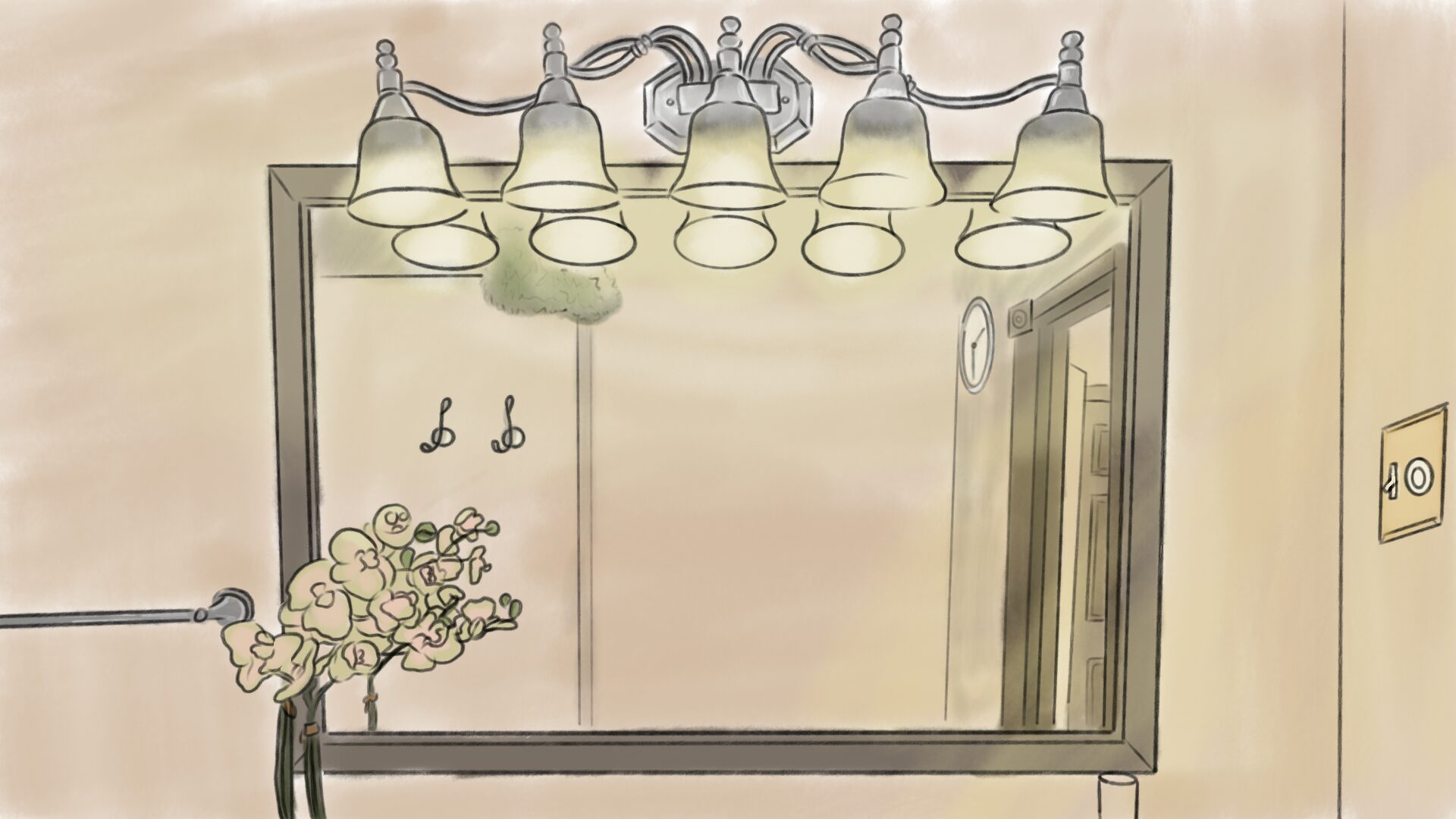
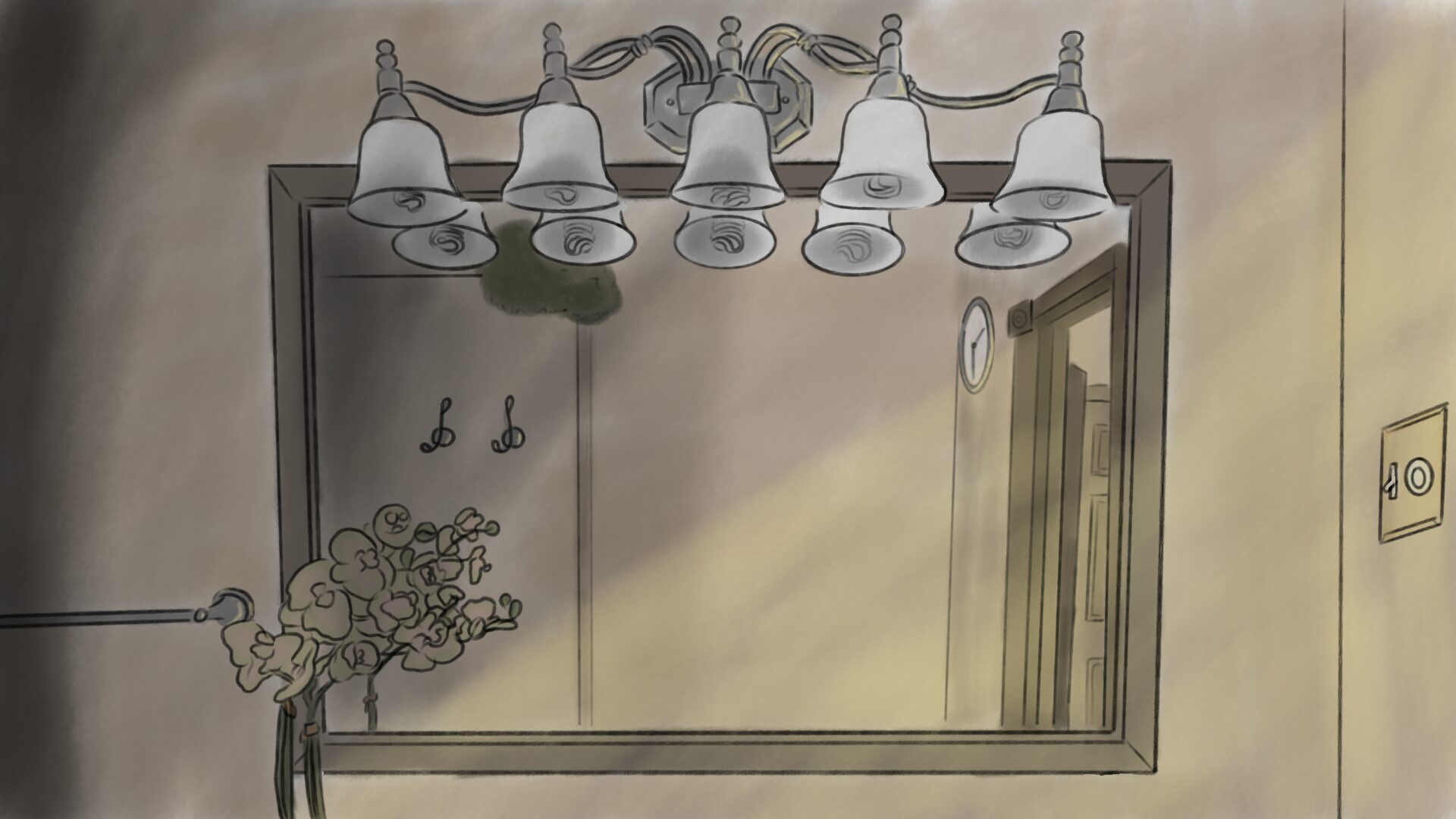
One of the most dynamic mechanics is the timeline. In the game, players start in 2010, playing me when I was about 9 years old. As they experience the whole day, they will take note of the environment and the individual personalities of everyone that shine through in the background art. In 2010, the colors are bright, playful, and childlike, reflecting a cozy sense of perceiving the world with the potential of a bright future.
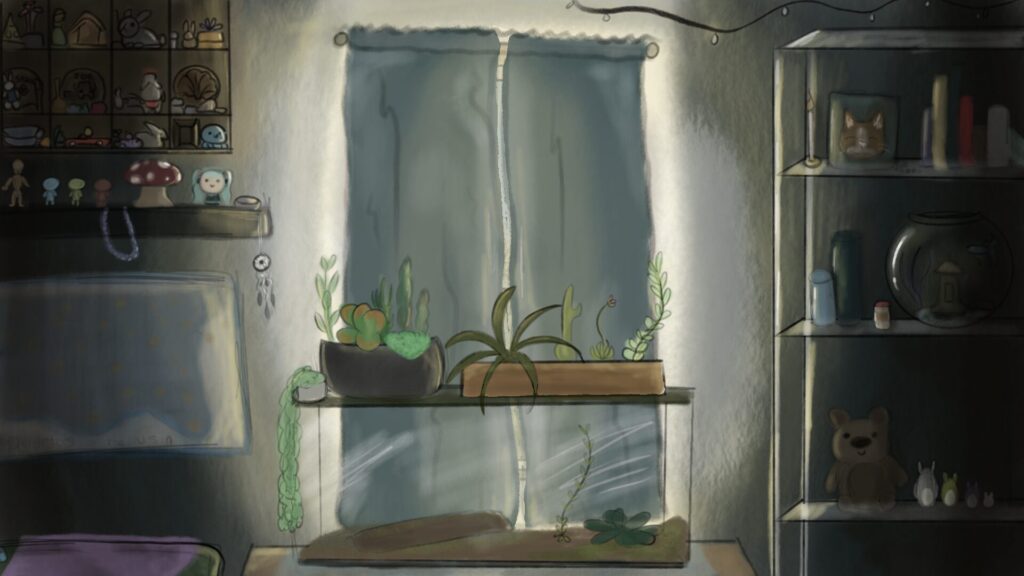
To the left is the biggest example, my bedroom window. Both scenes are used at the beginning of the timeline shift, with the one at the top being from 2010, and the bottom from 2020, when I was 18 years old. And as you can see by the 2020 background, the lighting is dimmed, almost darker, but it is still there. I intended for this to be subtle foreshadowing.
Background Gallery
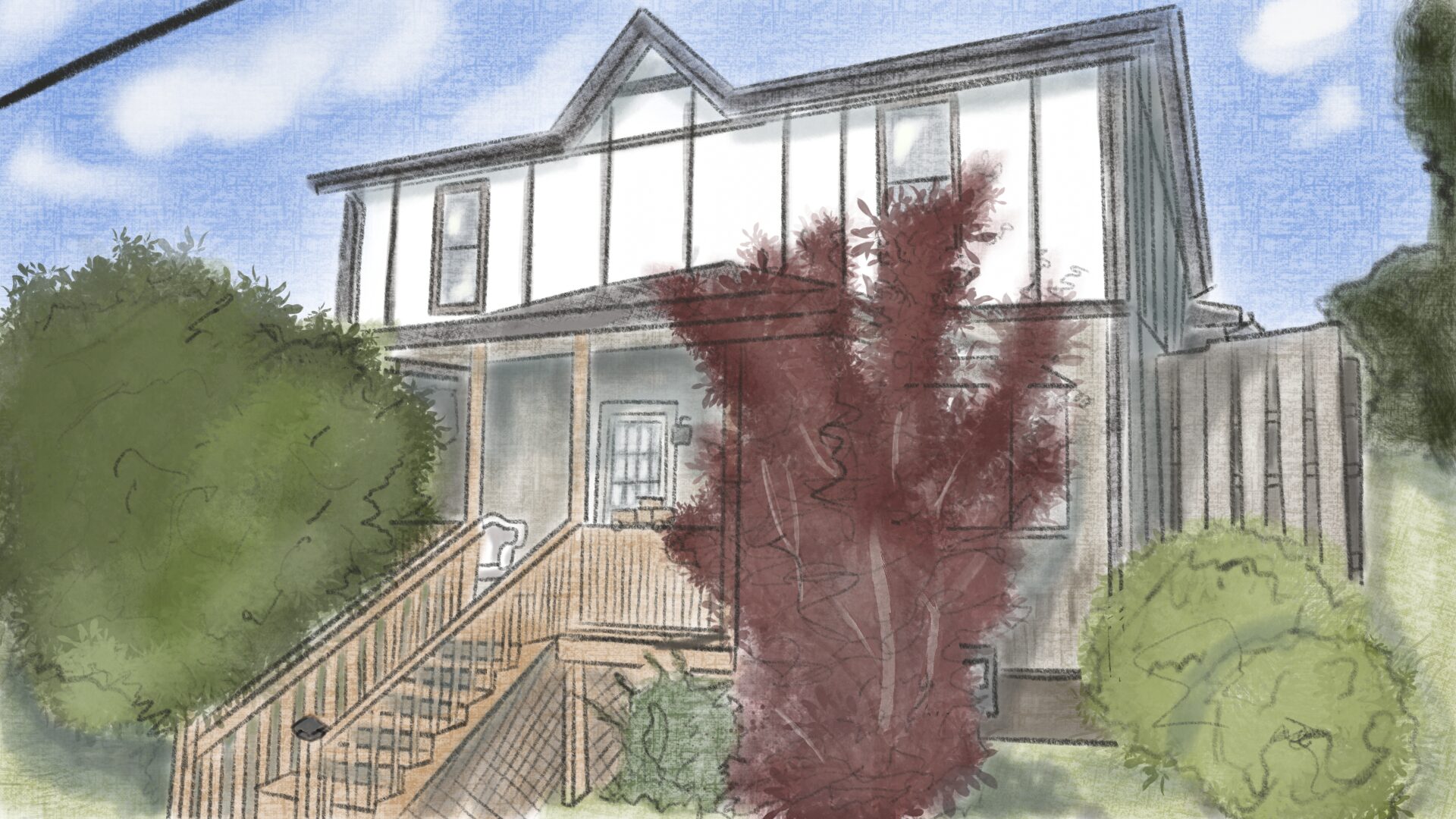
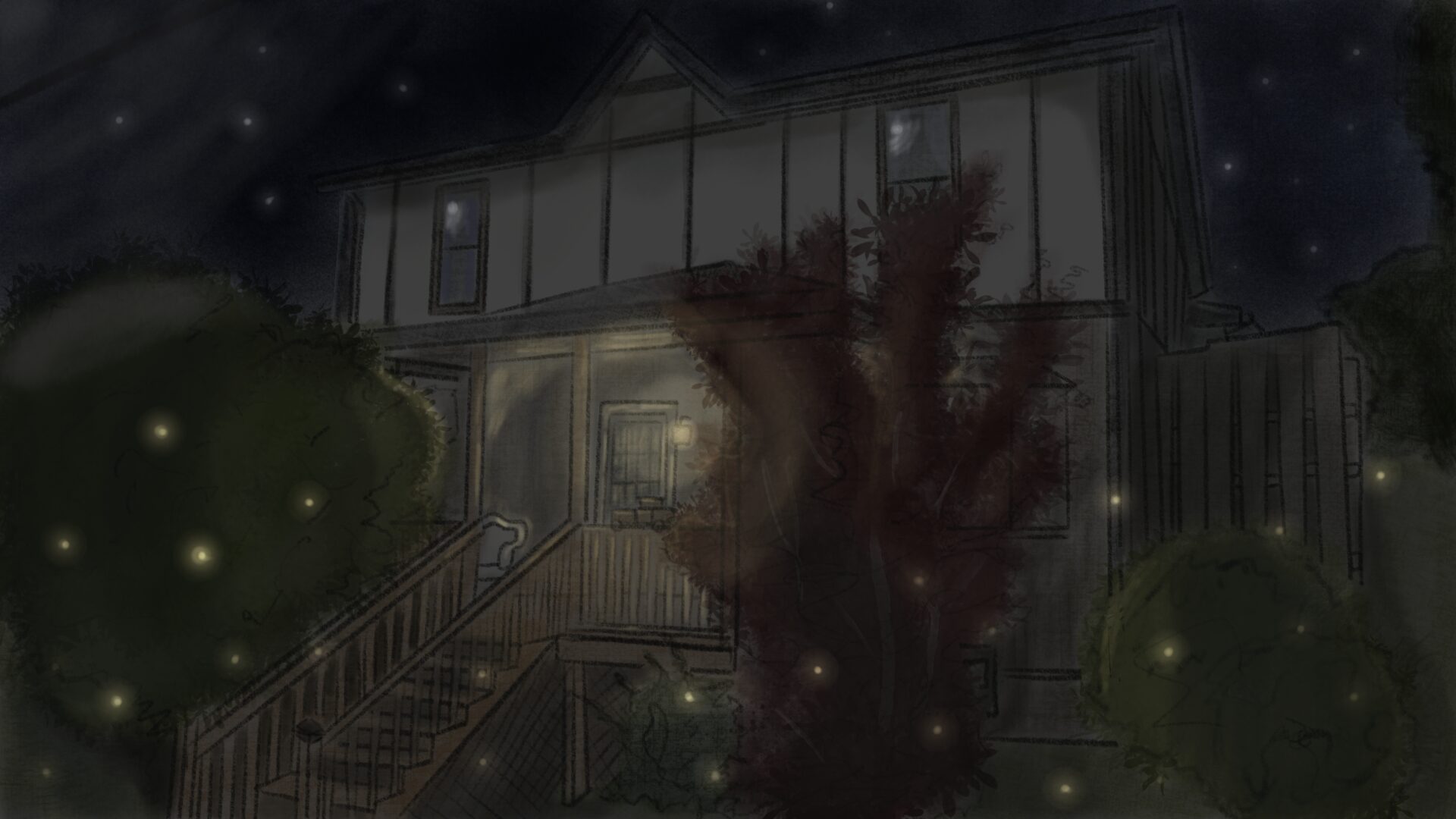
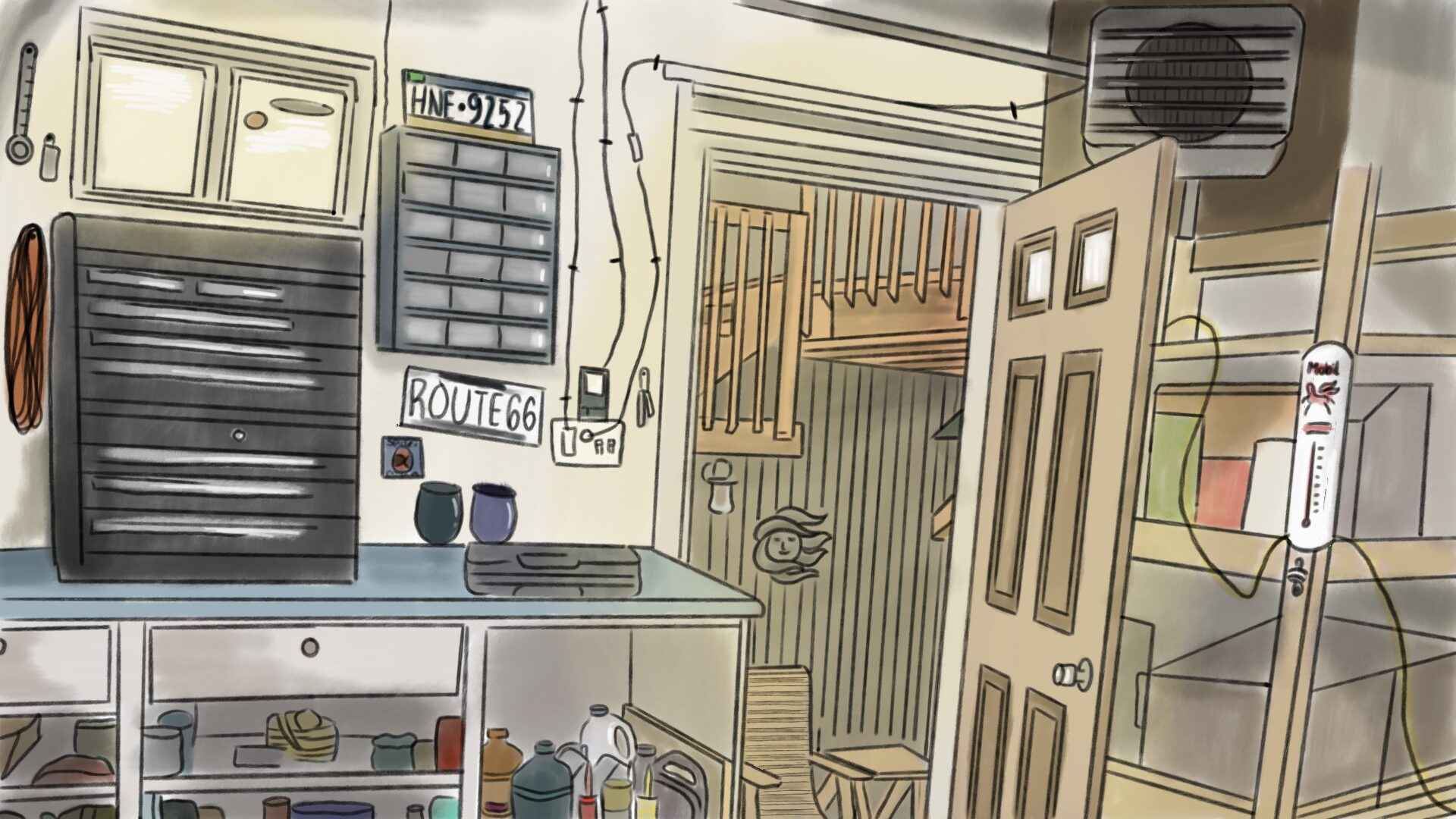
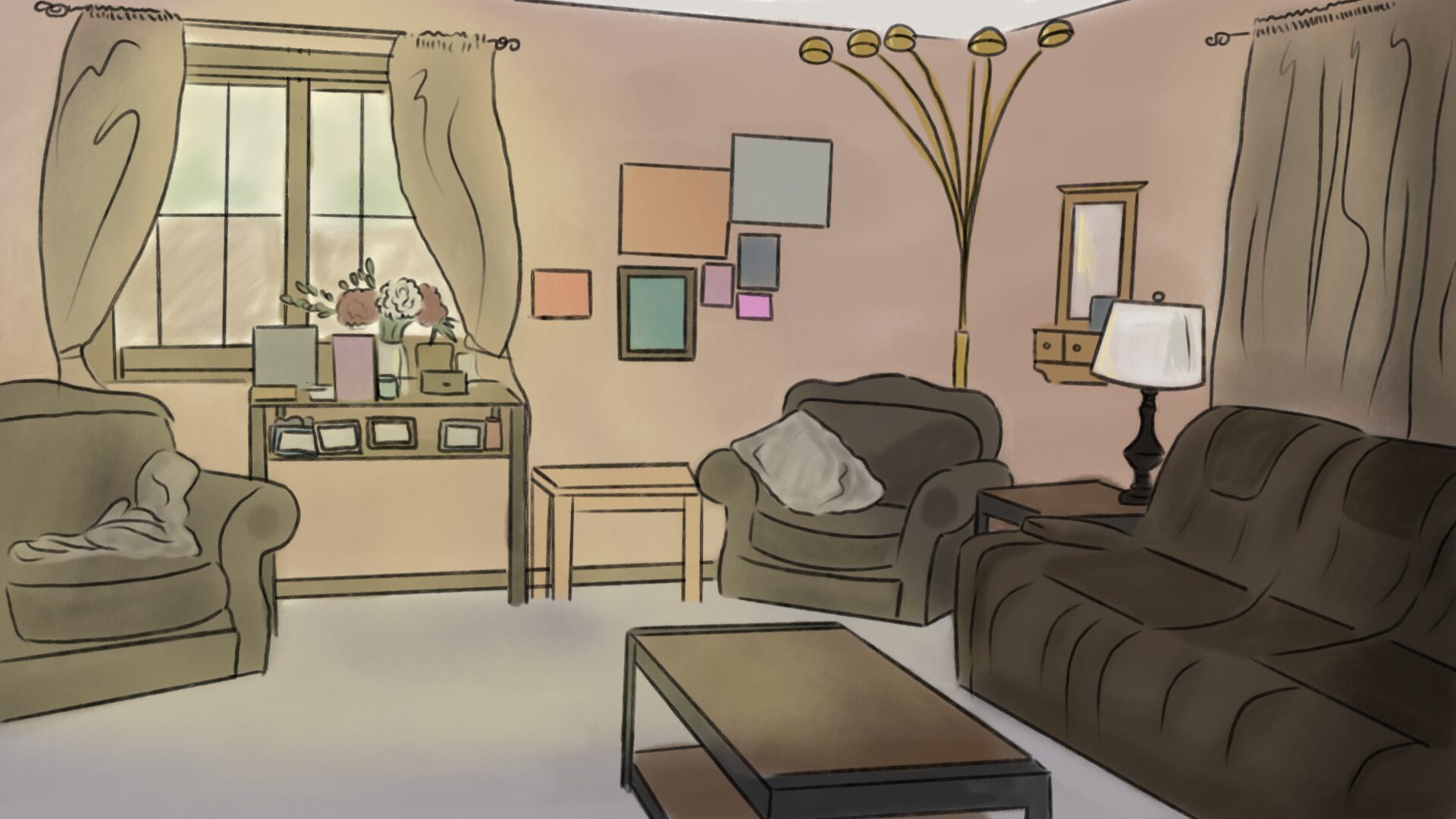
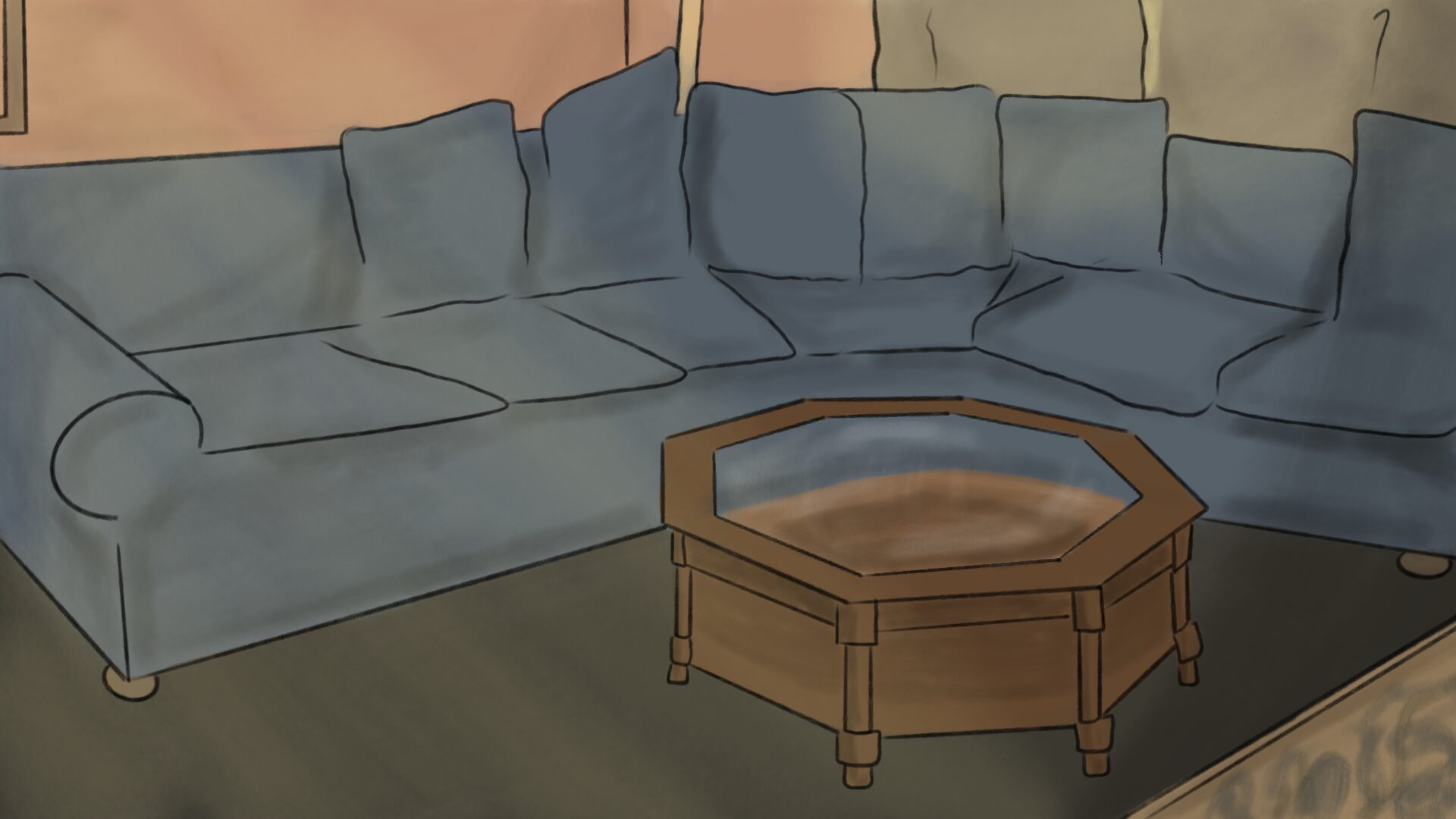
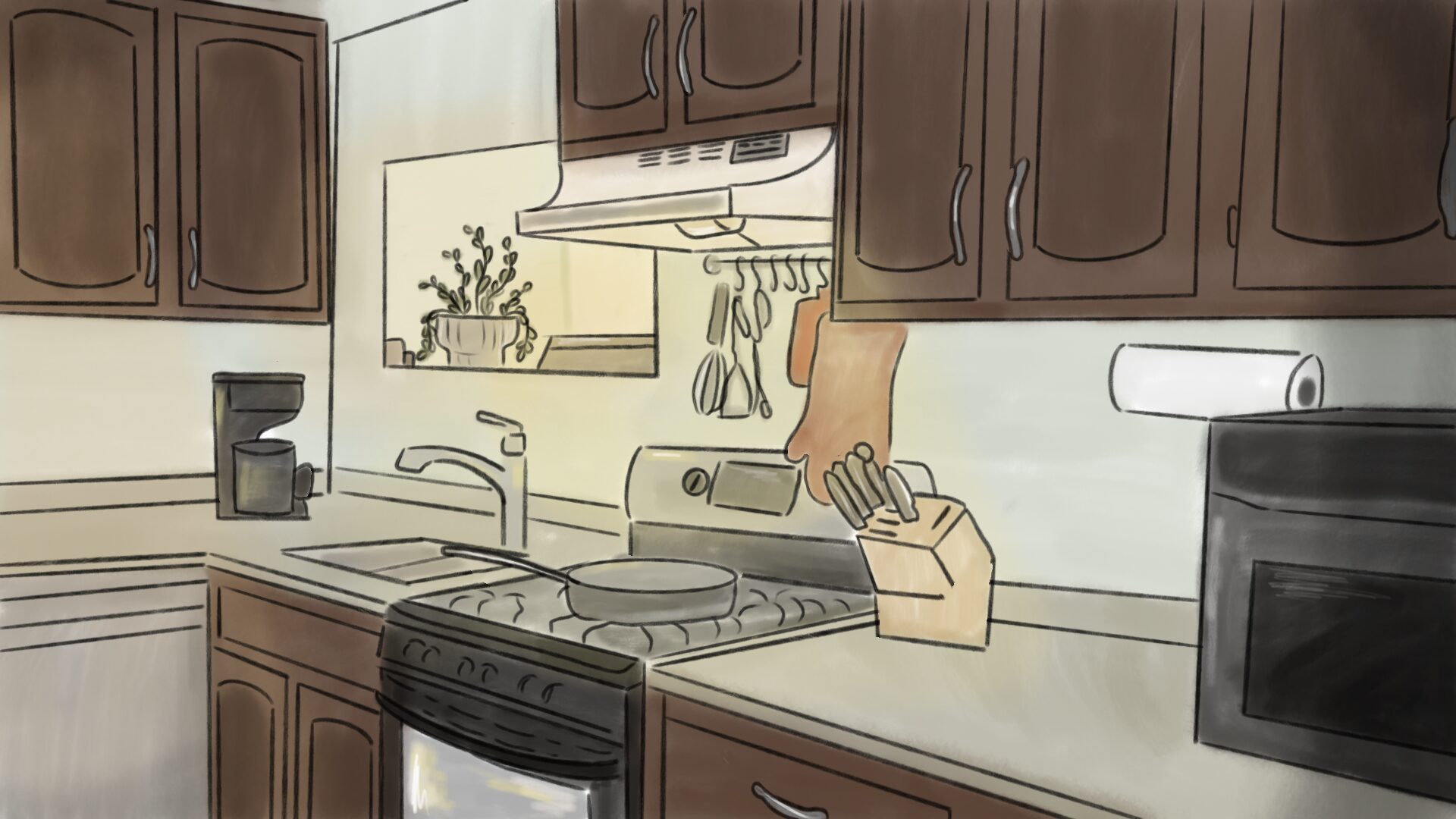
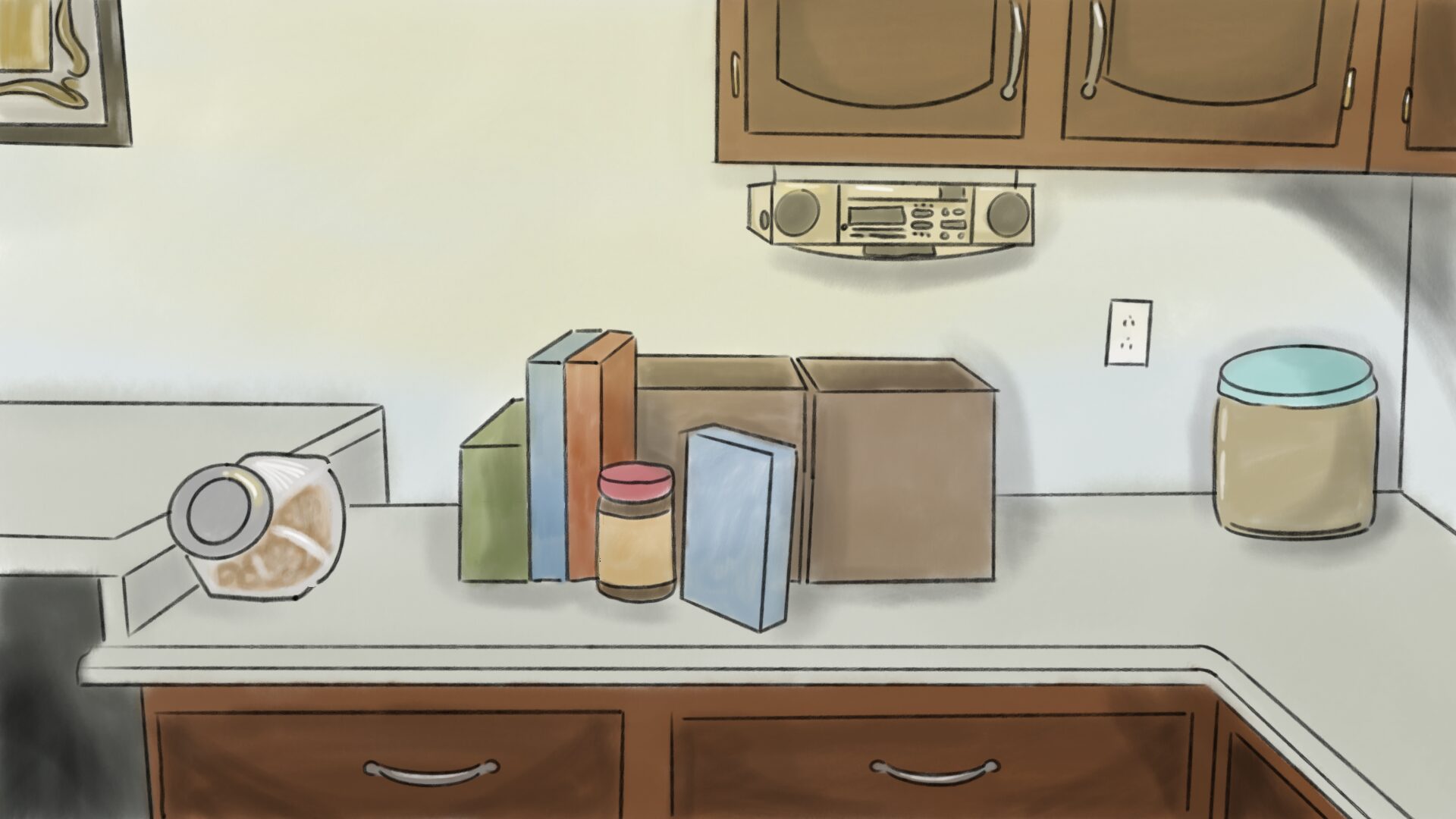
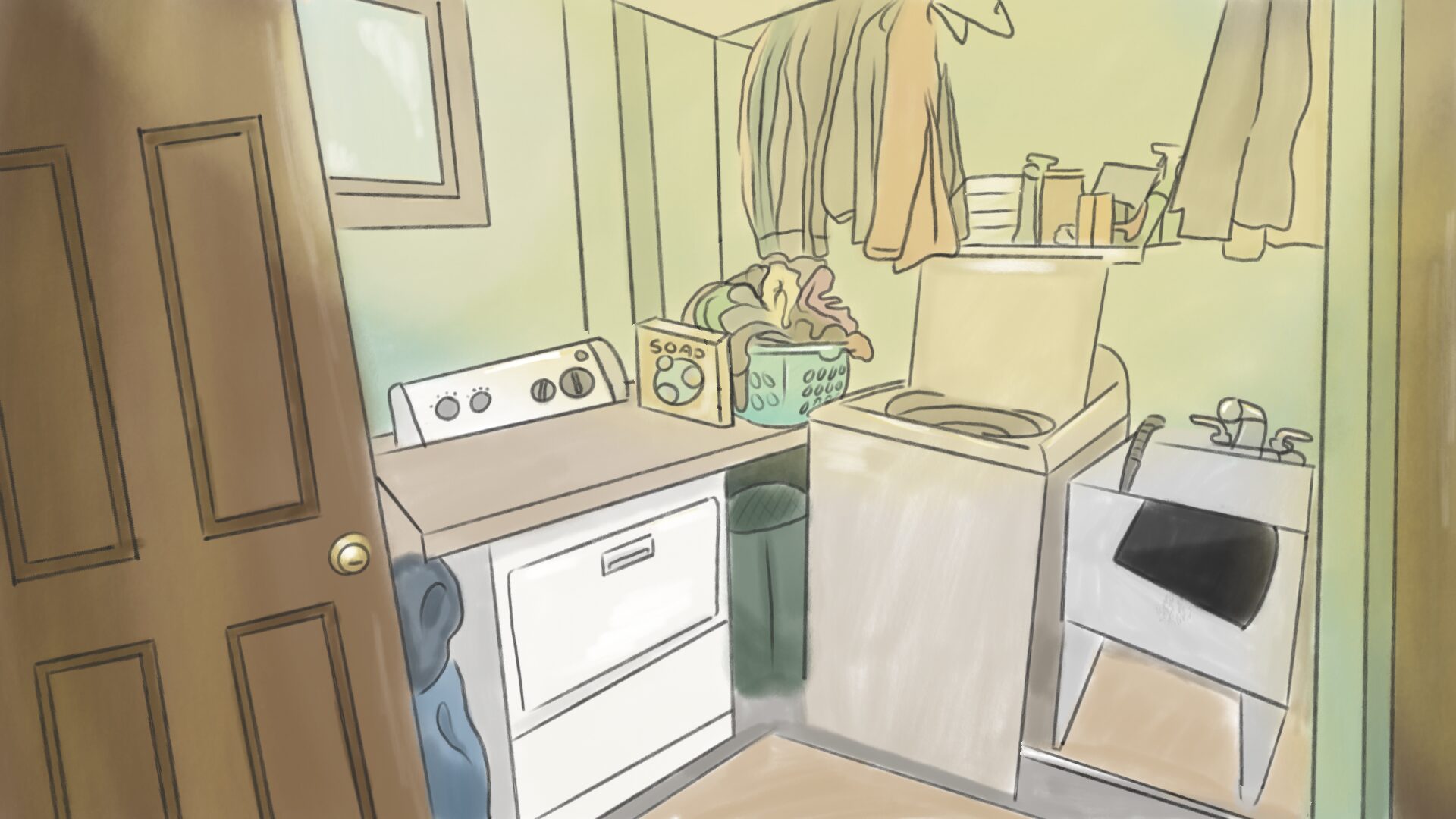
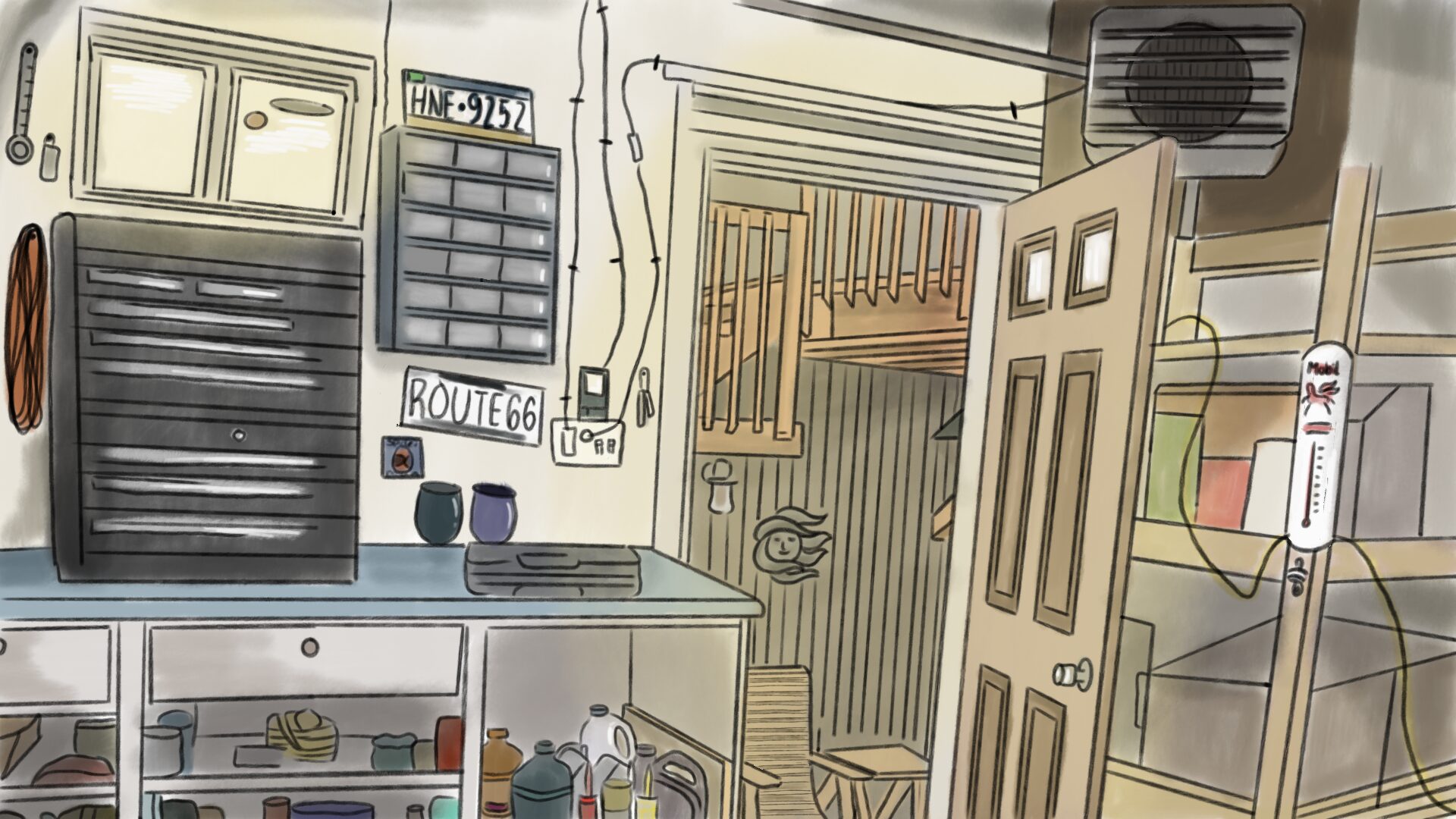
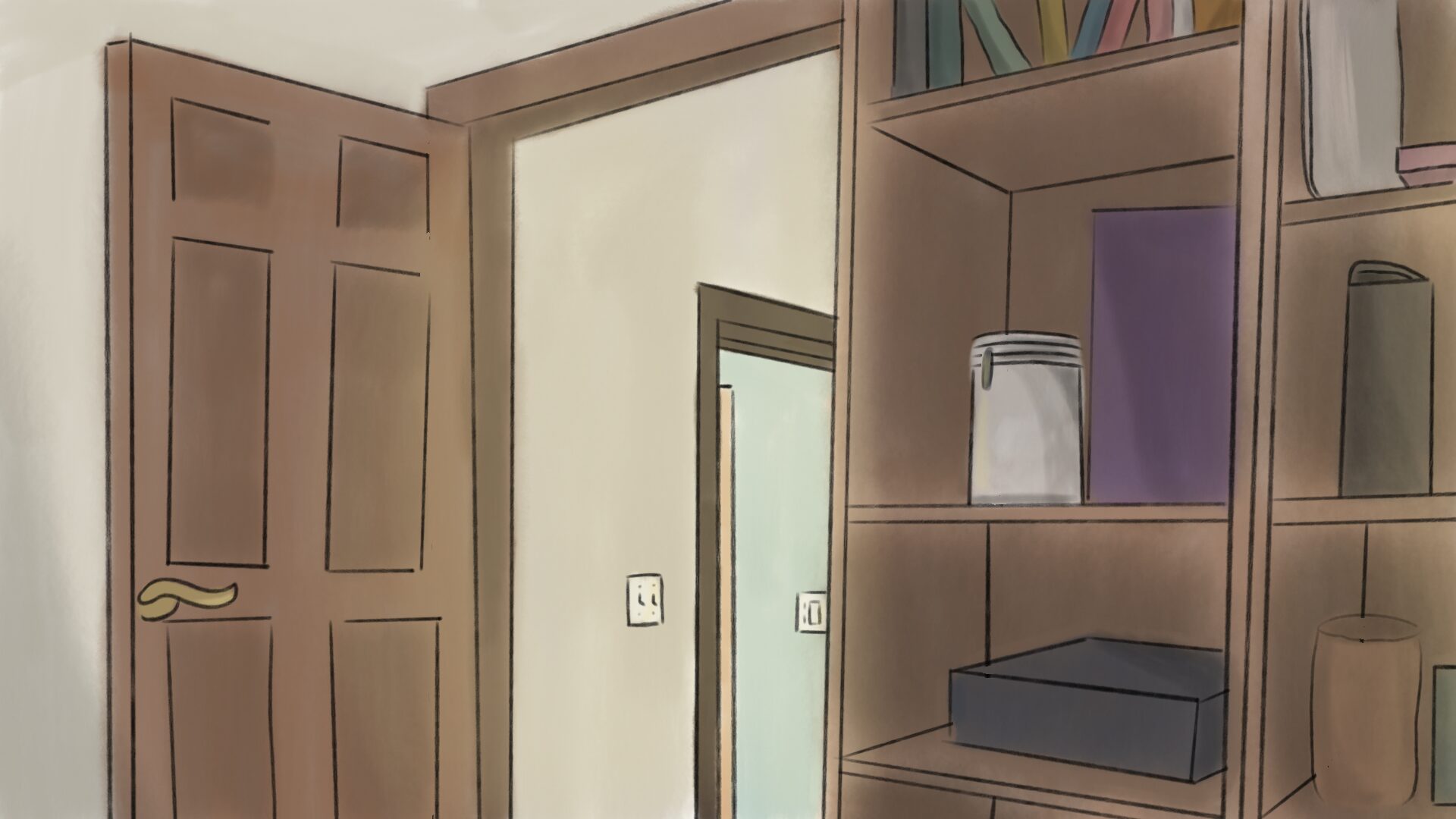
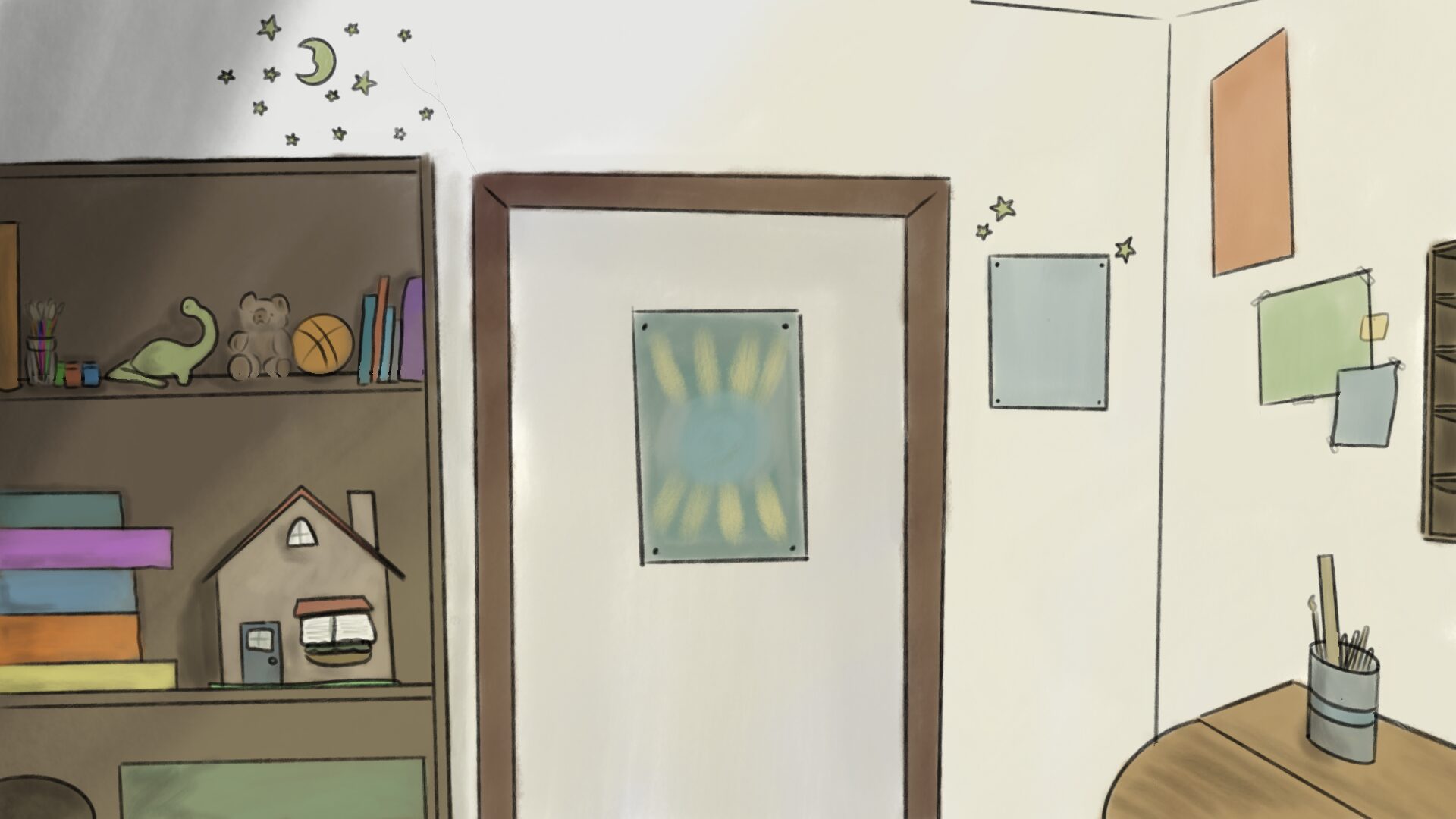
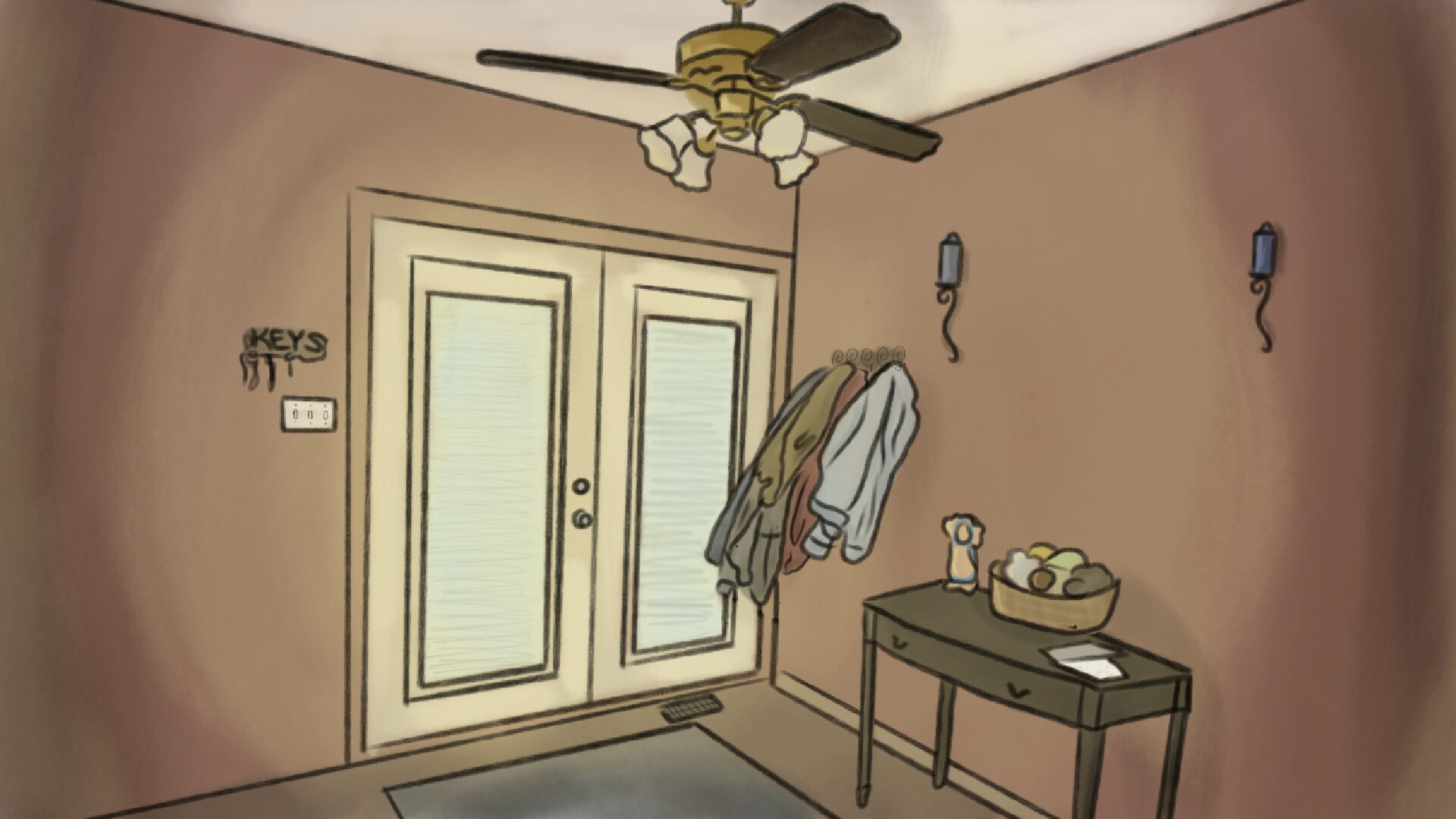
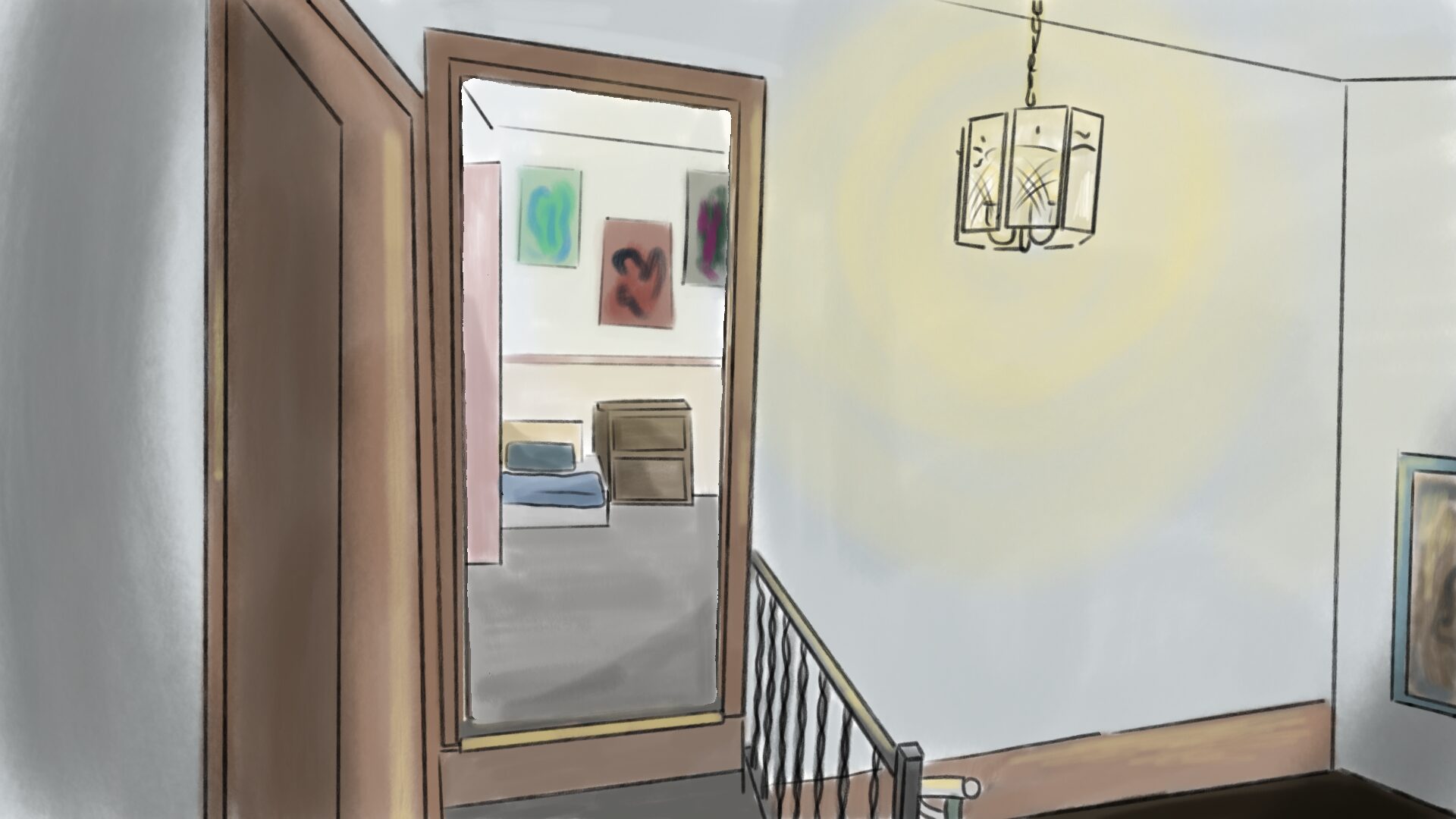
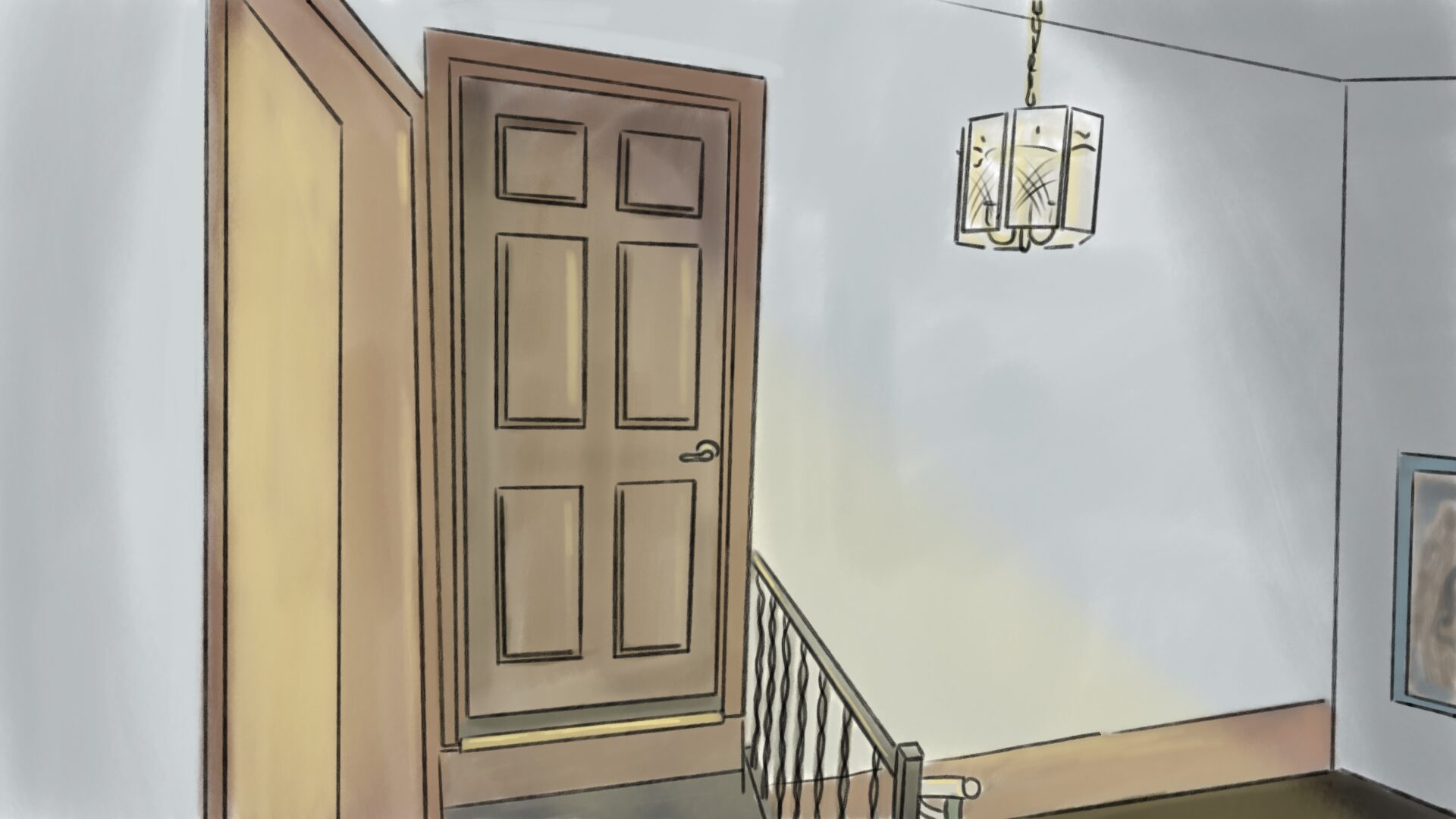
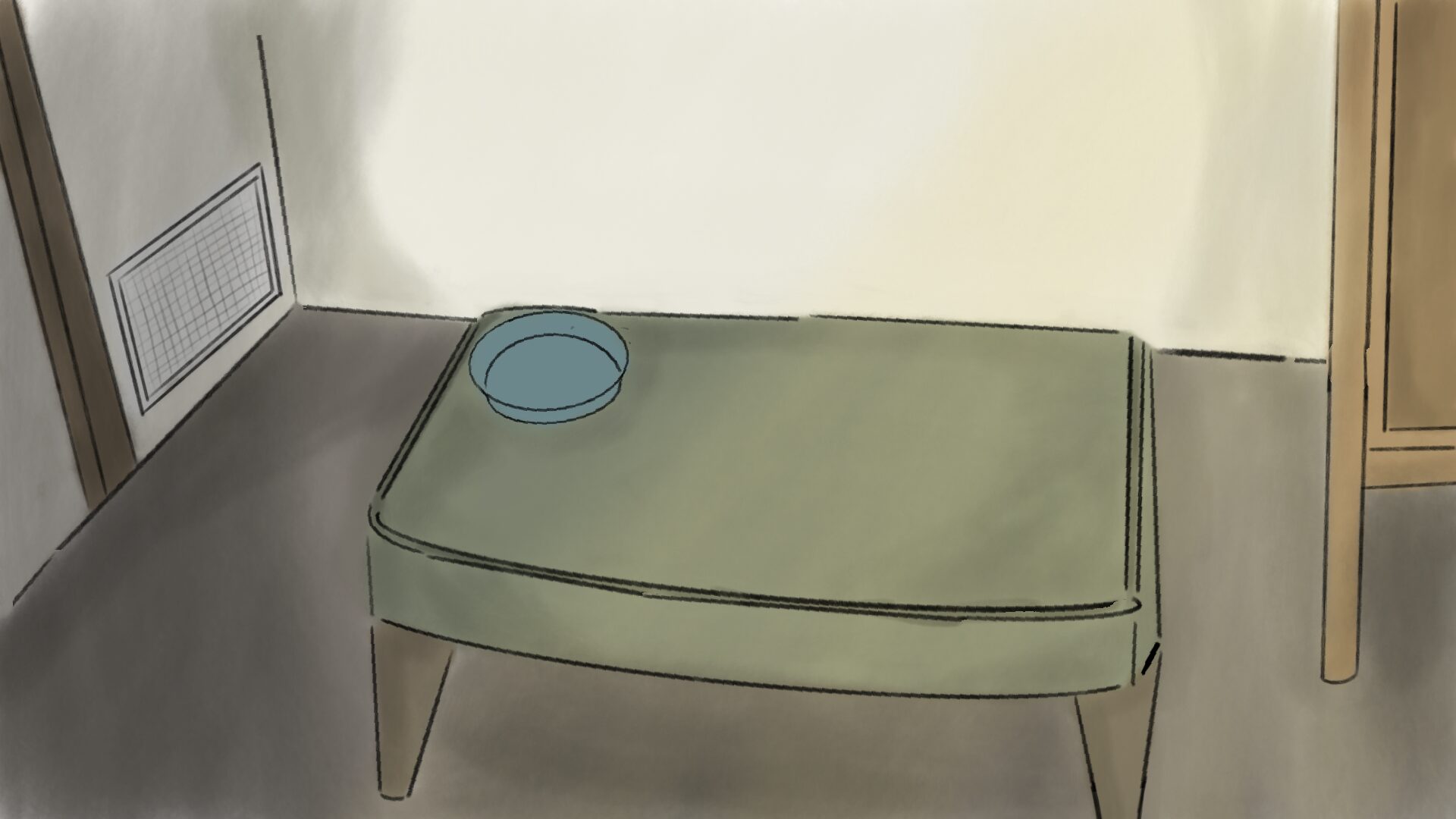
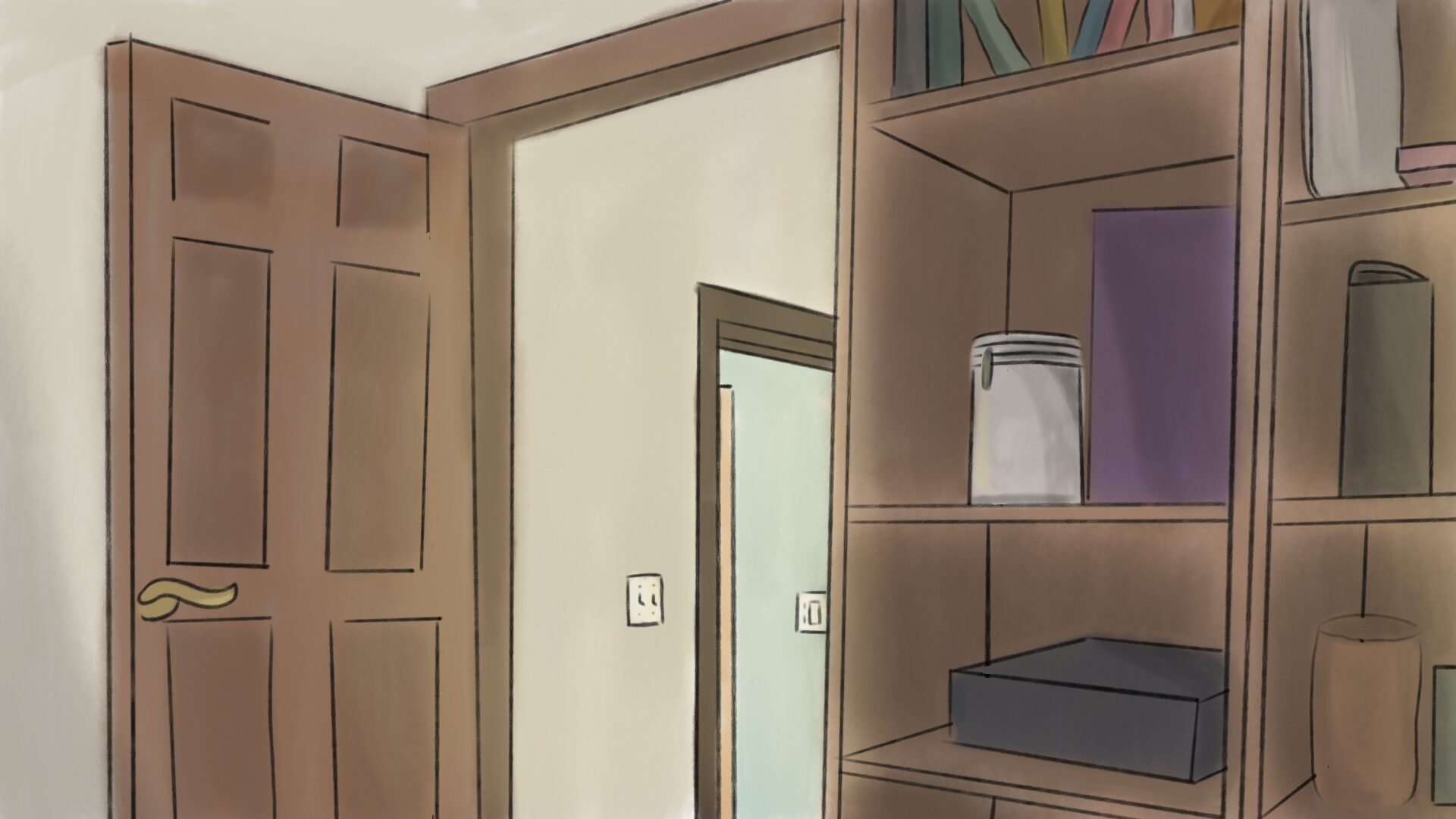
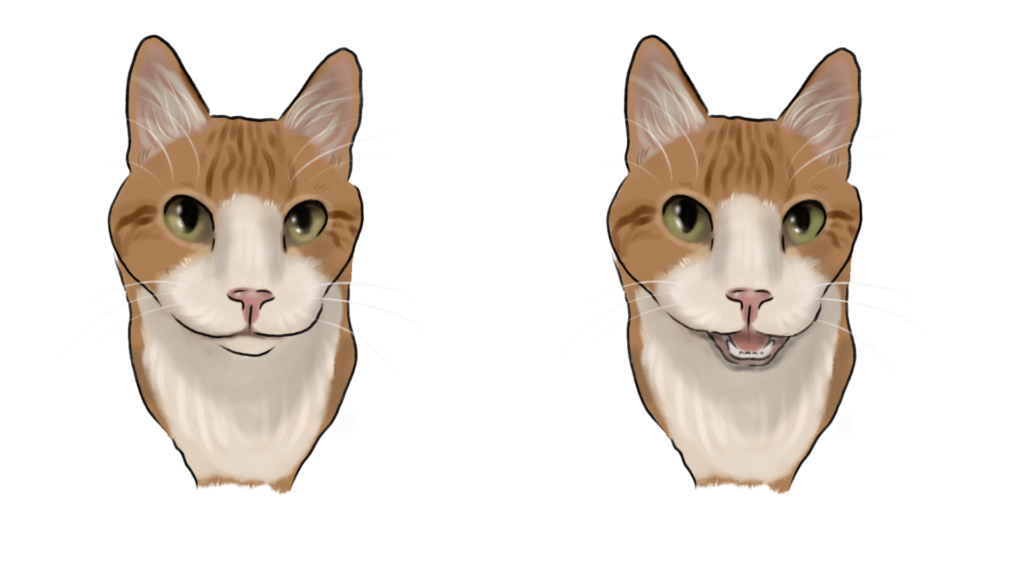
As the Ren’Py Engine uses simple character sprites as characters, I decided to follow the traditional Visual Novel style of having a character standing in front of the background, regardless of their actual position in the room, during cut scenes. Not only is it easier to draw only portrait characters, but it also means I can simply change their expressions, and I can avoid having to change the entire pose.
As you can see on the left, little effort is needed to add any form of expression to a character’s face. In this instance, my cat Buster is meowing.
For scenes where continuous dialogue is not used, I have decided to represent them as cut scenes. When I illustrate a character, or in this case, characters in a space, I put them on the same level as the background. This is especially useful if the characters’ expressions will not be changing, or if it is more useful to change the scene entirely, very quickly.
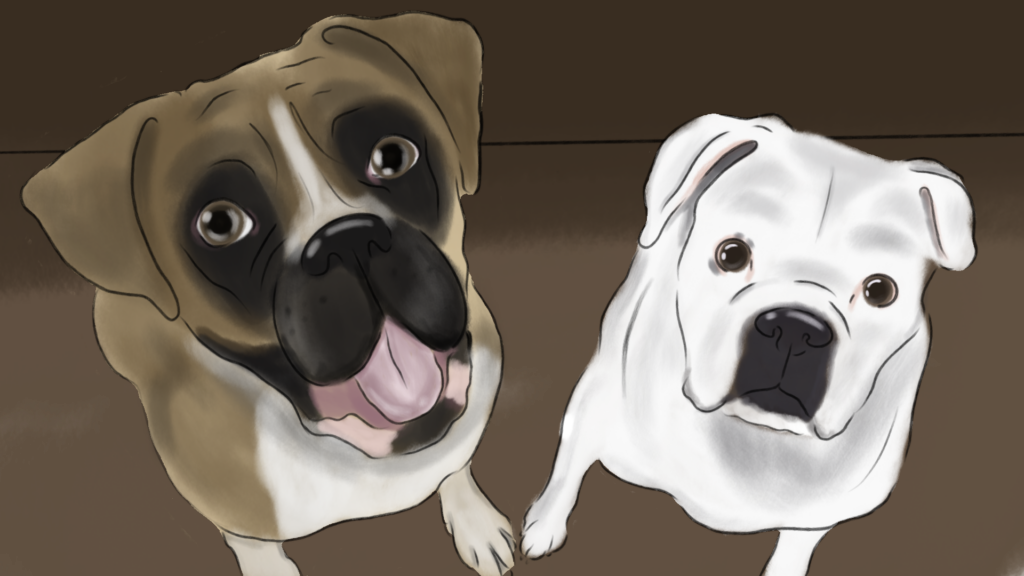
For this scene to the right, my dogs, Zoe (left) and Lacie (right), are always depicted together in their scenes during the 2010 Timeline, rather than fussing with padding and placement for them as character sprites, just illustrating them where I want is the easiest solution.
Decision Tree
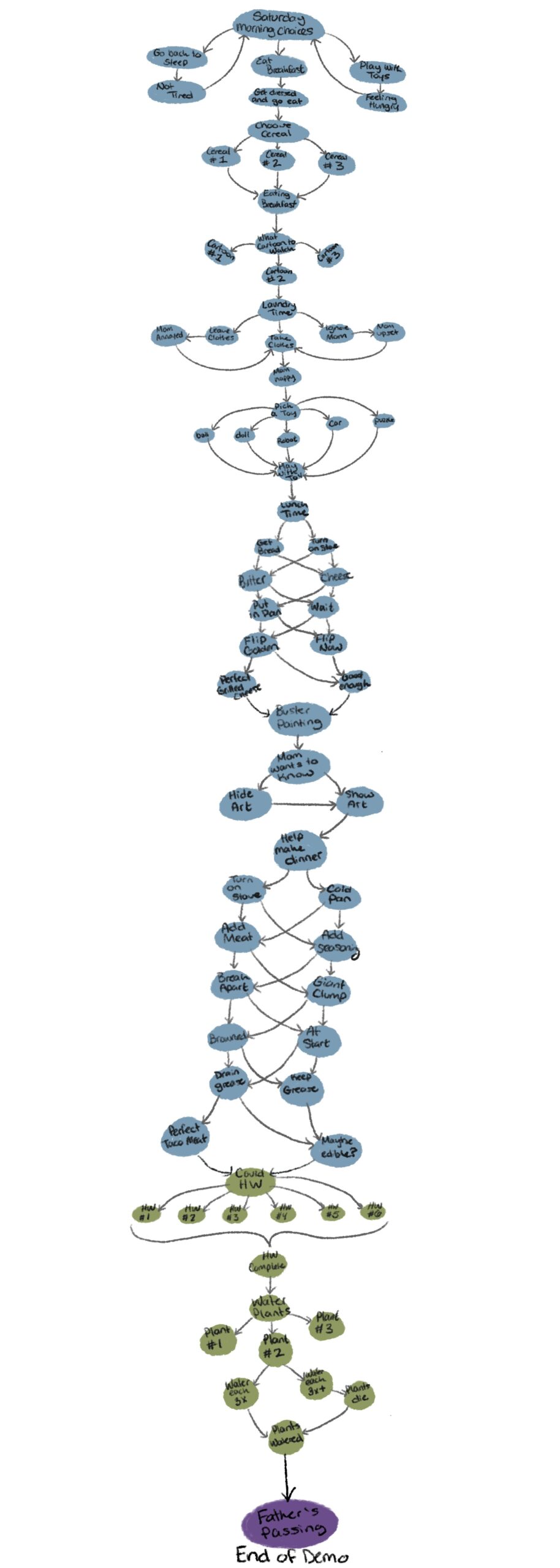
As you can see on the left, the Decision Tree is really just a straight line. There are no choices that lead to a special part of the story; it all flows in one direction. But rather than being about making measningful life altering choices, the concept of multiple-choice in What was, Without. is meant to be about purpose and getting to know me as a character, and why I feel the way I do about certain factors and features of my life.
Some of the choices players will have, mostly take part in the 2010 Timeline, I intended to give players a sense of just playing a normal game. I also wanted to give them a childlike sense of wondering what was next. Having players focus on making choices and being part of the game helps build up the focus of lesser control, once grief begins to take over.
Beginning Concept
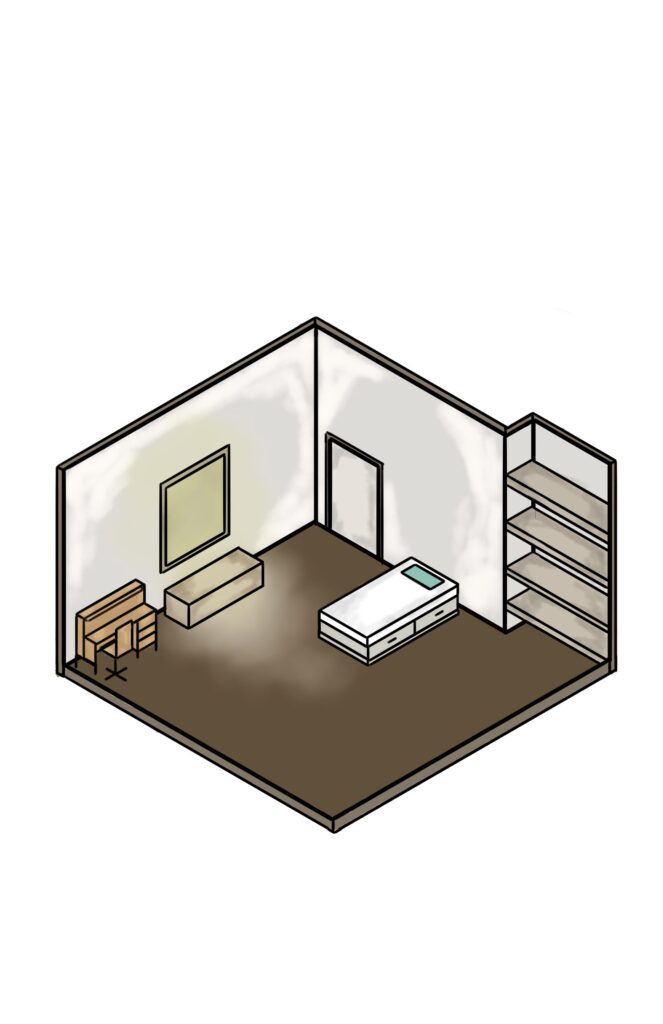
The first concepts of the game started about two years ago, when I presented What was, Without as my final project for my Creative Writing and Storyboarding class. As I mentioned before, it was meant to be an isometric. In it’s conceptuatlization, I was deeply inspired by games like Unpacking (2021, Witch Beam) and Stardew Valley (2016, ConcernedApe). Both of these games are pixel art styled, but Unpacked is isometric while Stardew Valley is top-down. As you can see on the left, fragments of this inspiration were shown in early concepts.
The character design also changed drastically. I wanted to go for a simple chibi-style design, but later decided against it as it felt wrong for a game that would have the main message of grief and loss. Though I know there are plenty of games that have a cuter style with serious topics, for me, it was the honor of telling my childhood story in seriousness and beauty.
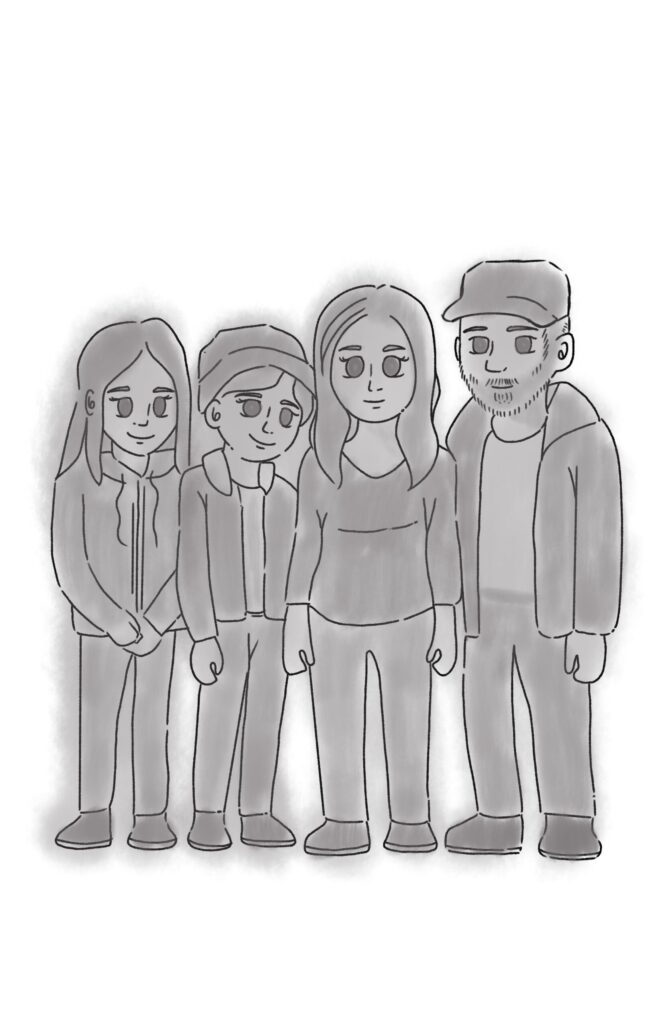
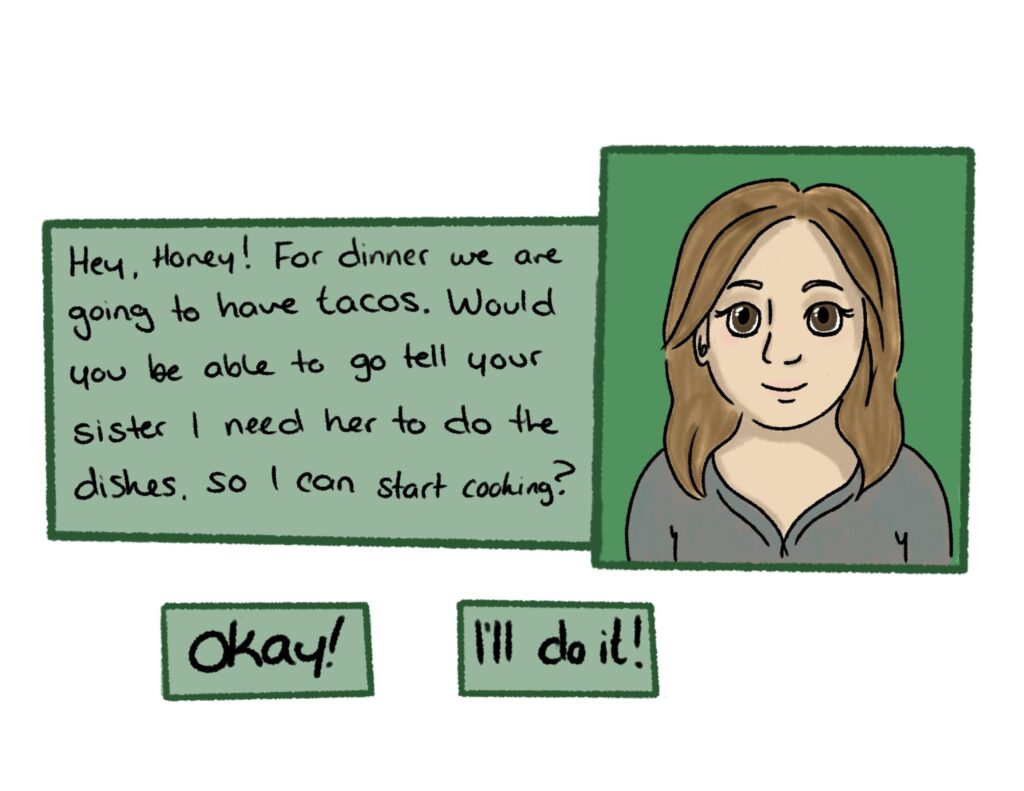
The last huge concept change is how players would interact with the characters. I was deeply inspired by Stardew Valley, with the interface being nearly identical to the game. Though this UI style is often used in a lot of games, I felt that it didn’t give me enough face-to-face contact with characters. The Visual Novel Style with Ren’Py fulfills the human contact interaction.